
Trust and estate planning lawyers with over 37 years of experience serving clients in Loudon, TN and the surrounding region.
If you’re considering a trust in Loudon, the options can be hard to sort through without guidance. Revocable or irrevocable? Does it work alongside a will, or replace one? What gets transferred into it, and what stays out? Our Loudon, TN trust lawyer can work through those questions with you and help build a plan around what you actually own and what you want to accomplish. Carpenter & Lewis PLLC has spent over three decades helping Tennessee families and business owners with trust and estate planning matters across the region. Contact us to schedule a free consultation.Trust Lawyer Loudon, TN
A trust is a legal arrangement in which a trustee holds and manages assets for the benefit of one or more beneficiaries, according to terms set by the grantor, the person who creates it. That basic structure gets applied in a lot of different ways: keeping assets out of probate court, providing for a child with special needs, reducing federal estate tax exposure, managing property during a period of incapacity, or giving a grantor precise control over how and when distributions happen. A trust lawyer in Loudon helps clients identify the right type of trust for their situation, drafts the governing documents, and makes sure the trust gets funded correctly. That last step is where things most often go wrong. A trust that hasn’t been properly funded, meaning assets haven’t been retitled in its name, doesn’t govern those assets. Signing the documents is the beginning of the process, not the end of it.Types of Trust Matters We Handle in Loudon
Carpenter & Lewis PLLC works with clients throughout Loudon on trust drafting, planning, and administration at every stage.- Revocable living trusts. A revocable trust keeps the grantor in control during their lifetime. You can modify the terms, move assets in and out, or dissolve it entirely. Assets held in the trust pass outside probate, which means faster distribution to beneficiaries without court involvement.
- Irrevocable trusts. Surrendering the ability to modify a trust isn’t the right move for everyone, but for some clients it makes real sense. Assets transferred into an irrevocable trust are generally removed from the taxable estate and may be shielded from future creditors. Whether creditors can reach those assets depends on the specific structure and how it was drafted.
- Special needs trusts. A beneficiary who depends on government assistance programs can lose eligibility by inheriting assets outright. A properly drafted special needs trust holds property for that person without triggering that loss. Administering these trusts requires close attention to eligibility rules, and we help trustees stay on the right side of them.
- Trust administration. When the grantor passes away, the successor trustee takes over. That role means gathering assets, addressing any outstanding obligations, and distributing property according to the trust’s terms. Most successor trustees are family members stepping into a legal responsibility for the first time, and we guide Loudon trustees through the process.
- Estate tax planning. Certain trust structures reduce or defer federal estate tax liability for larger estates. We work with clients to assess whether that’s a genuine concern given what they own and, if so, how a trust addresses it within a broader plan.
- Business interests. Owners who want to pass a business through a trust rather than through direct inheritance have real options, but the planning has to be done correctly. We handle the intersection of business succession and trust planning for clients across the region.
- Protecting a child’s inheritance. Distributing assets outright to a young adult isn’t always the right answer. A trust lets you set conditions, stagger distributions, or hold property until specific milestones are reached. Our material on protecting an inheritance for children covers why this matters and what the options look like.
- Probate. For clients whose estates include assets that weren’t transferred into a trust, or who are managing a loved one’s estate that’s already in the process, we handle probate matters in Loudon as well.
Why Choose Carpenter & Lewis PLLC for Trust Matters in Loudon, TN?
Tennessee Trust and Estate Planning Experience
Stephen L. Carpenter is the founding attorney of Carpenter & Lewis PLLC and has been handling trust and estate planning matters in Tennessee for over 37 years. He holds a Doctor of Jurisprudence and a Master of Laws in Taxation, both from William & Mary School of Law. That formal training in tax law shapes directly how the firm approaches trust structures designed to reduce estate tax liability. Licensed in Tennessee and Virginia, Stephen is a member of the Tennessee Bar Association, the Knoxville Bar Association, and the Knoxville Estate Planning Council. He has personally handled estates involving multimillion-dollar assets and has lectured on estate planning topics throughout the region over the course of his career. Jon McMurray Johnson handles trust and estate planning matters for the firm as well. Licensed in Tennessee since 2007 and a member of the Knoxville Bar Association, the Tennessee Bar Association, and the Monroe County Bar Association, Jon was selected as a Rising Stars attorney by Super Lawyers for 2019 through 2021, a peer-selected designation given to a limited number of attorneys in each state each year.Trust Planning as Part of the Full Picture
A trust lawyer in Loudon at this firm doesn’t draft documents in isolation. What goes into a trust connects directly to what your will says, how your assets are titled, who you’ve named on your beneficiary designations, and what your plans are for a business or real property. Those pieces have to work together. Carpenter & Lewis PLLC handles all of them, which means we can look at the whole picture rather than one document at a time. That matters when you’re trying to make sure nothing slips through the cracks.Understanding Trust Matters in Loudon
Key Trust Concepts and Document Basics
Several foundational concepts come up in nearly every trust matter for clients in Loudon, TN.- Grantor, trustee, and beneficiary. These are the three core parties in any trust. The grantor creates and funds it. The trustee manages it. The beneficiary receives the benefit. In a revocable living trust, the grantor often serves as the initial trustee during their own lifetime.
- Revocable vs. irrevocable. The difference between these two comes down to control and protection. A revocable trust can be changed or dissolved. An irrevocable trust generally cannot, but offers creditor protection and potential tax advantages that a revocable trust doesn’t provide.
- Funding. Transferring assets into a trust is called funding. Real property needs to be retitled. Bank and investment accounts need to be re-registered. Without that step, the trust doesn’t govern those assets. A lot of people sign the agreement and stop there, which creates the exact problems they were trying to avoid.
- Successor trustee. The person who takes over management of the trust when the original trustee dies or becomes incapacitated. Choosing the right person and making sure they understand their obligations is one of the more consequential decisions in the drafting process.
- What happens after death. Most grantors haven’t thought through what a trust does after they’re gone in any real detail, and that affects how the documents need to be drafted from the start.
What Are Important Aspects of a Trust Matter?
The two questions that drive most trust matters are what you own and who you’re trying to provide for. Clients with minor children tend to focus on controlling distributions and naming the right people to manage assets on the children’s behalf. Those with larger estates are more concerned with tax planning. Business owners have succession questions that tie directly into how the trust gets structured. Clients who’ve been through a divorce, or who have a family member dealing with financial instability or a disability, often need provisions that a standard document doesn’t address. Getting the trust to reflect those specifics is the actual work. Why a lawyer’s involvement matters in that process is something we’re glad to walk through before you’ve made any decisions.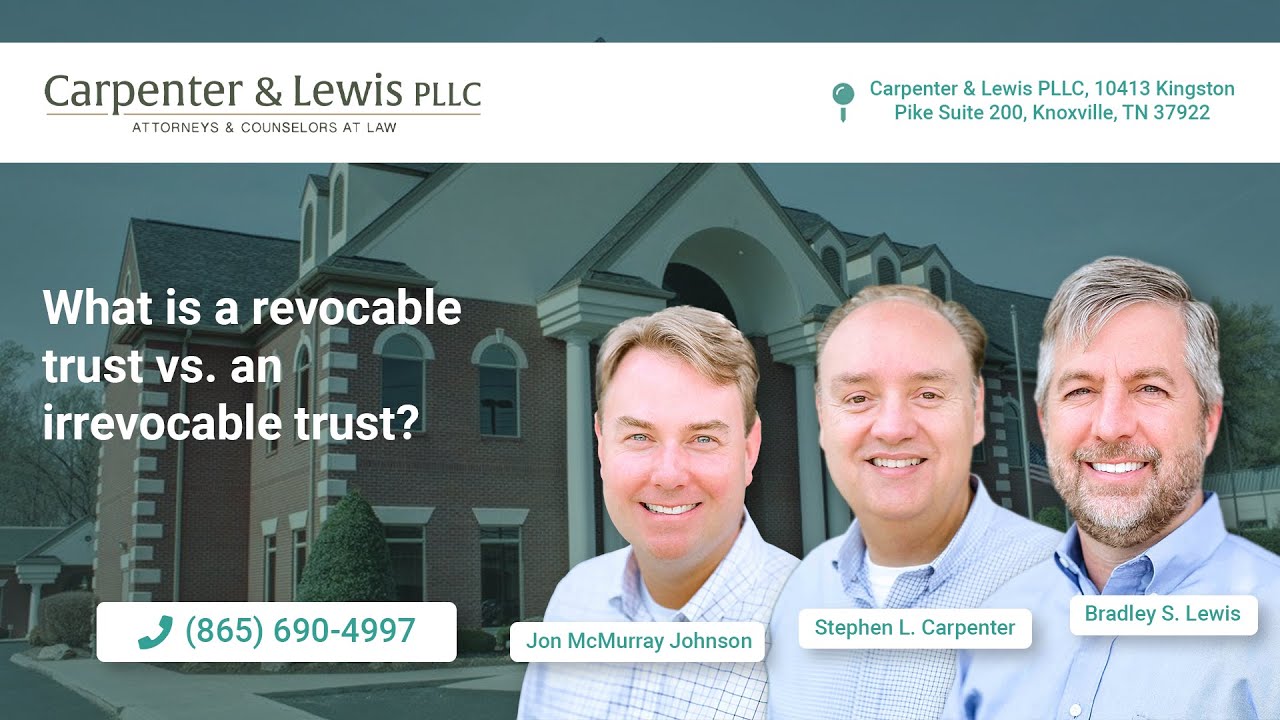
What Is the Trust Matter Timeline?
A revocable living trust can typically be drafted and executed within a few weeks for straightforward estates. Irrevocable trusts and more complex arrangements take longer, particularly when business interests or significant tax planning is involved. Most trust engagements move through the following stages:- Initial consultation to discuss goals, assets, and family circumstances
- Attorney preparation of draft trust documents
- Client review and any requested revisions
- Formal execution of the trust with the required legal formalities
- Funding the trust by retitling assets and updating beneficiary designations
- Coordination with a will, power of attorney, or other related planning documents
What Should You Bring to Your Trust Consultation?
It helps to come with:- A list of significant assets, including real property, bank and investment accounts, retirement accounts, life insurance, and any business interests
- Information on current beneficiary designations, which may need to be updated as part of the plan
- Any prior estate planning documents, including earlier wills or trust agreements
- A general sense of who you’d want to serve as successor trustee and, if relevant, as a backup
- Questions about specific concerns, whether around tax planning, a particular beneficiary’s situation, or how the business fits into the overall picture
What Are Important Tennessee Legal Resources for Trust Matters?
A few resources are useful for clients working through trust and estate planning questions in Loudon, TN.- The Tennessee Courts website covers probate and chancery court jurisdiction by county, including procedural information relevant to trust administration matters.
- Tennessee’s trust and estate statutes are part of the Tennessee Code Annotated, which can be read through the Tennessee Code.
- Federal estate and gift tax rules, including current exemption thresholds and filing requirements, are addressed on the IRS website.
Reach Out to Carpenter & Lewis PLLC to Schedule a Consultation
Most people don’t get around to trust planning until something happens that makes it urgent. Getting it done before that point gives you more options, more time to think through the details, and a better outcome for the people you’re planning for. Carpenter & Lewis PLLC offers free initial consultations for trust matters in Loudon. Contact us to set up a time.

Request A Consultation
Client Review
“We own several businesses and have had the pleasure of working with Stephen and his team for over 9 years now. He always comes through in a pinch. They have assisted us with leases, estate planning, company formations and even landlord issues. I highly recommend them for all your business attorney needs!”
Mary Ellen Nichols